Diving Blog
Stay up to date with the latest diving tips, industry news, conservation efforts, and insights from the Australian diving community.
Filter articles by topic to find exactly what you're looking for
Page 4 of 15
Stay informed with diving tips, safety guides, and destination reviews
Wolf Rock, Rainbow Beach
By ScubaDownUnder Team
Two kilometres off Double Island Point, where the last rocky headland gives way to the long sand cliffs of K'gari, a cluster of volcanic pinnacles rises...

Kelat
By ScubaDownUnder Team
The Kelat was an iron sailing ship built in Glasgow in 1881, sixty years before the morning the Japanese aircraft arrived over Darwin. By 1942 she had finished her sailing career and was anchored in...
Wetsuit Thickness for Australian Waters
By ScubaDownUnder Team
A state-by-state guide to wetsuit thickness in Australia: when 3mm, 5mm or 7mm makes sense, winter water temperatures, hoods, gloves and semi-dry suits.
Best Places to Dive in South Australia
By ScubaDownUnder Team
South Australia is the temperate diving capital of the country, and the most underrated dive state in Australia. The headline species are the leafy seadragon, the giant Australian cuttlefish, and the...

SS Macedon Wreck: Rottnest Dive Guide
By ScubaDownUnder Team
Rottnest Island's most accessible historic wreck: an 1883 iron steamer broken up across a 5-12m limestone reef, beginner-friendly wreck dive.
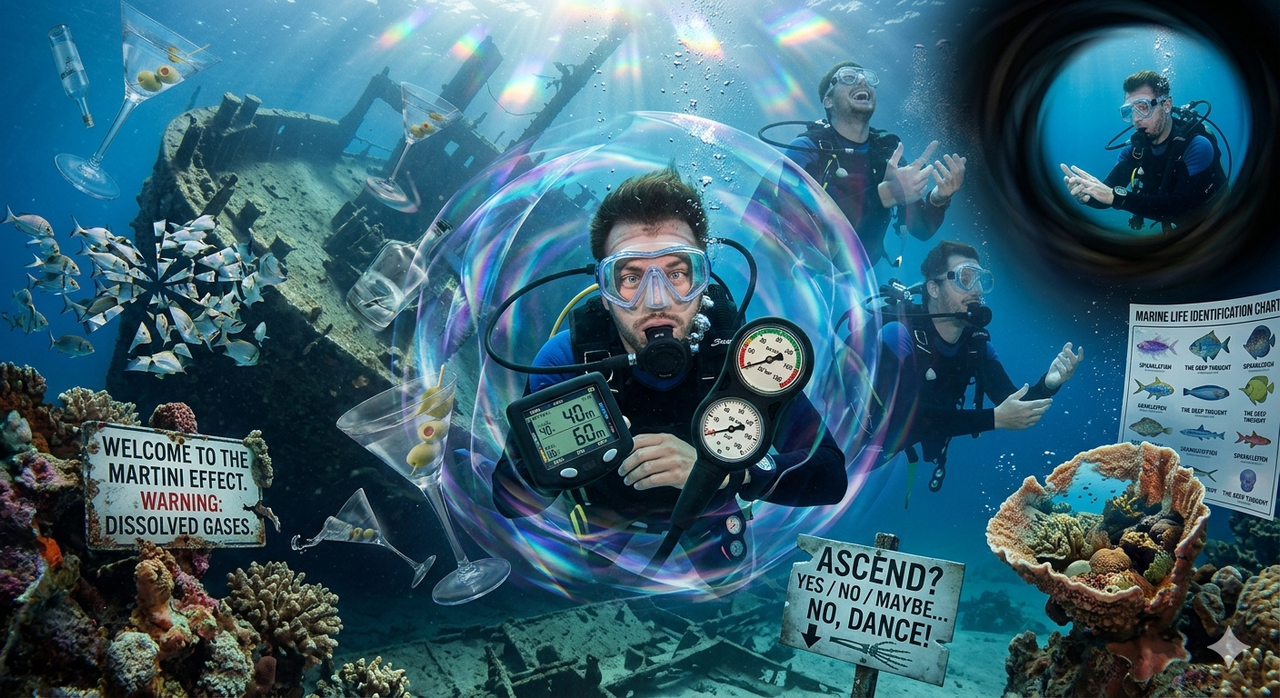
Nitrogen Narcosis: What It Is and How to Recognise It
By ScubaDownUnder Team
Nitrogen narcosis, sometimes called "the rapture of the deep" or just "narc," is the diving-specific impairment that happens when divers descend below approximately 30 metres on compressed air. The...

Bateman Bay: Ningaloo Manta Cleaning
By ScubaDownUnder Team
Ningaloo's most reliable reef manta cleaning station: year-round resident mantas on sheltered bommies in 10-15m, short charter from Exmouth.

SS Mauna Loa
By ScubaDownUnder Team
Sunk in the 1942 Darwin raid, the Mauna Loa lies upright in 19 metres, cut down to her cargo floor, with trucks, motorbikes and carriers still in her holds.
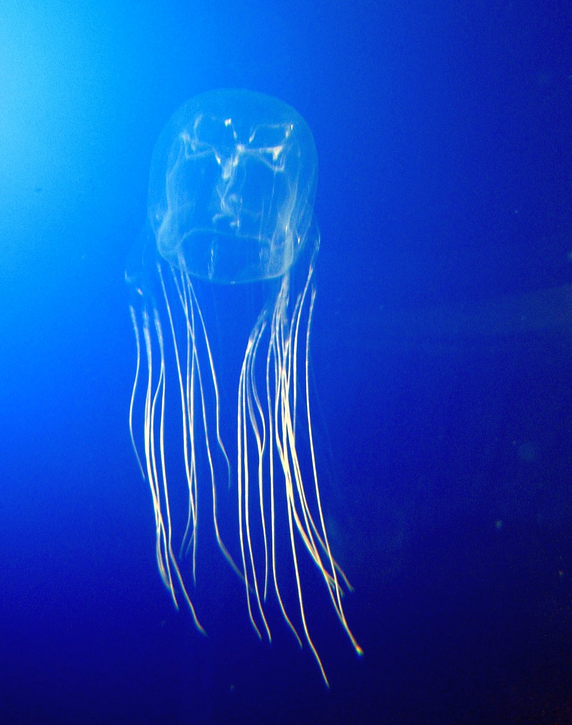
Box Jellyfish: Australian Diver's ID Guide
By ScubaDownUnder Team
Australia's cubozoans up close: Chironex fleckeri, the Irukandji group, jimble, and the smaller species. Identification, biology, vision, seasonality, and what a stinger season actually means for divers.
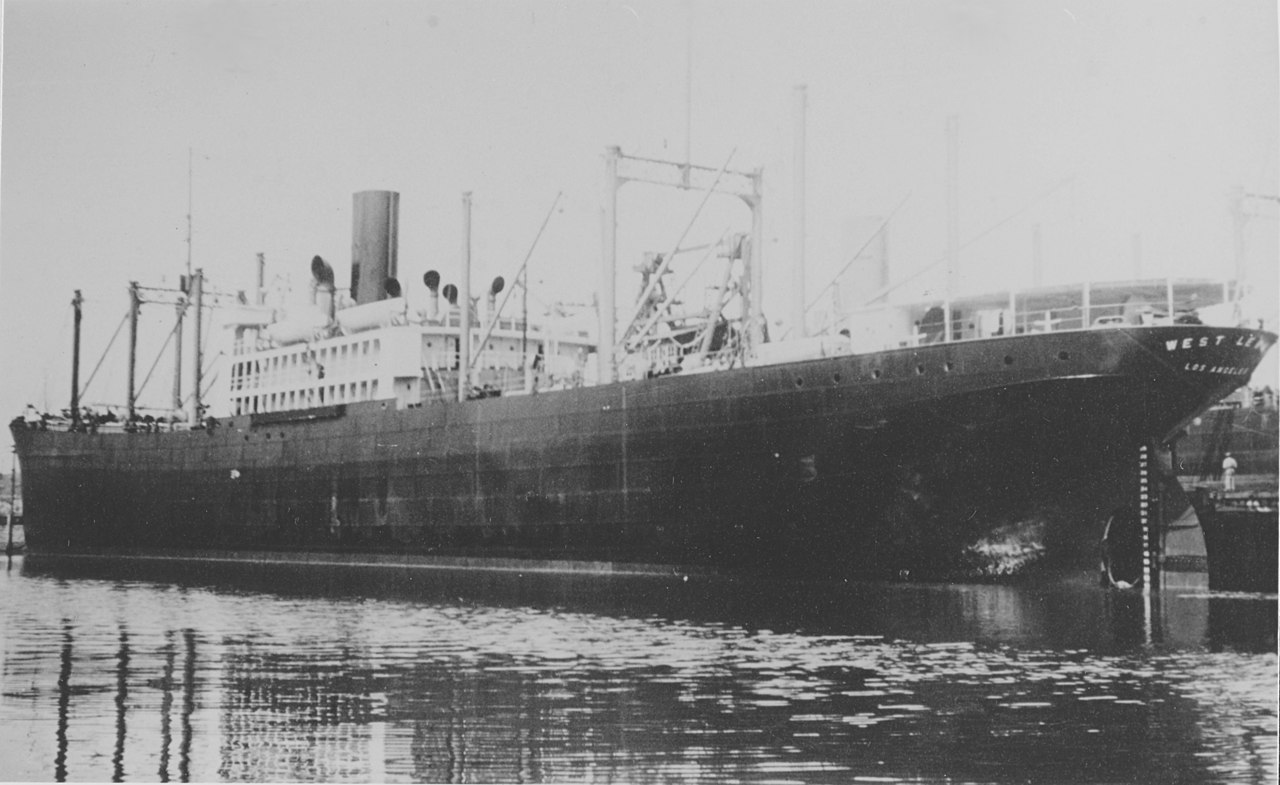
USAT Meigs
By ScubaDownUnder Team
The USAT Meigs lies upright in 18.5 metres of Darwin Harbour, cut down to her ship floor by salvors, with a Bren gun carrier and trucks still in her holds.
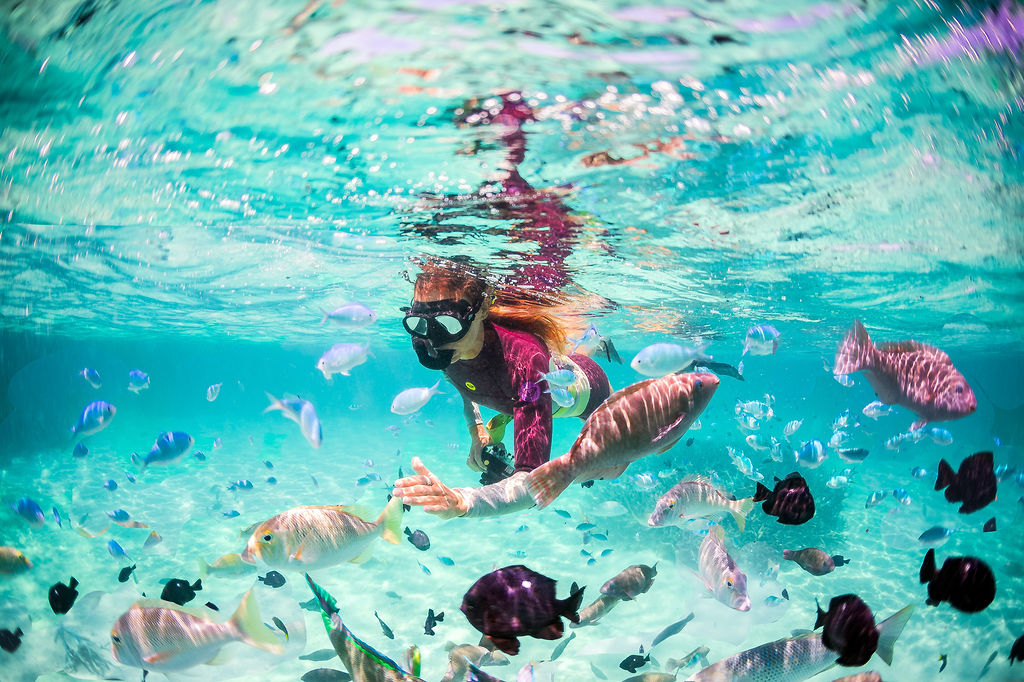
Diving Coral Bay: Ningaloo's Quieter Hub
By ScubaDownUnder Team
The southern hub of Ningaloo Reef. Year-round manta cleaning stations, seasonal whale sharks, and shore-accessible coral lagoon diving.
Manta Rays in Australia: Where and When to Dive
By ScubaDownUnder Team
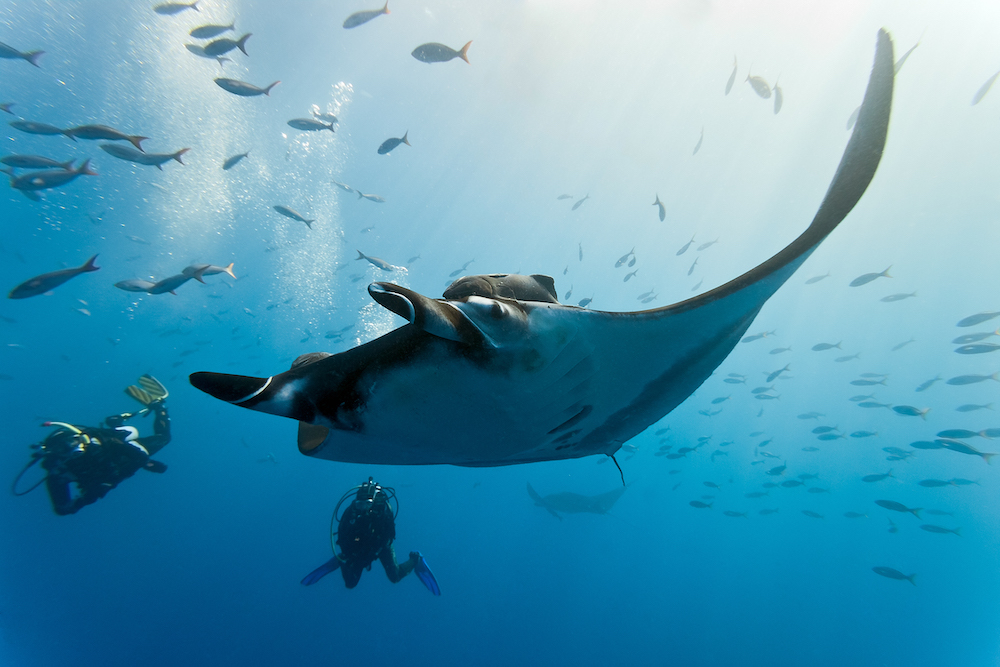
Where to dive with manta rays in Australia, from Lady Elliot Island and Ningaloo to Byron Bay's Julian Rocks, plus the best season and what to expect.
PADI Wreck Diver Course: Australia Guide
By ScubaDownUnder Team
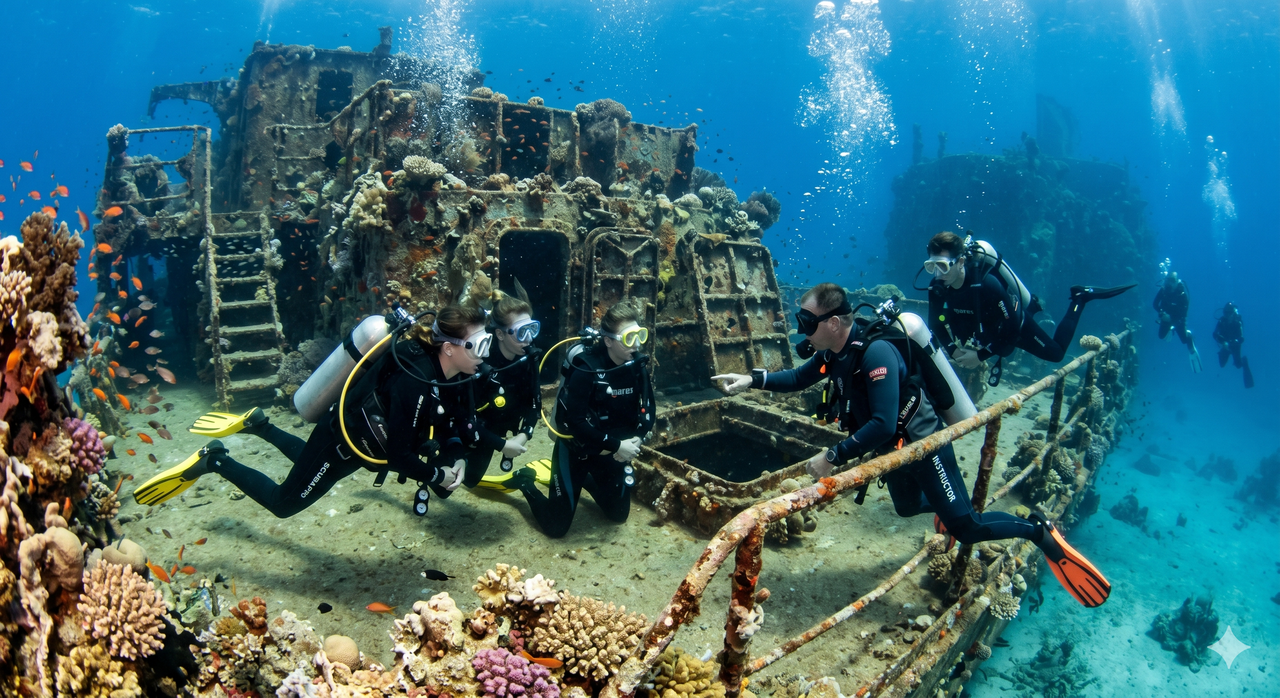
How to qualify as a PADI Wreck Diver in Australia: prerequisites, course structure, where to train, kit needed, and what comes next.
Best Wreck Dives in Australia
By ScubaDownUnder Team
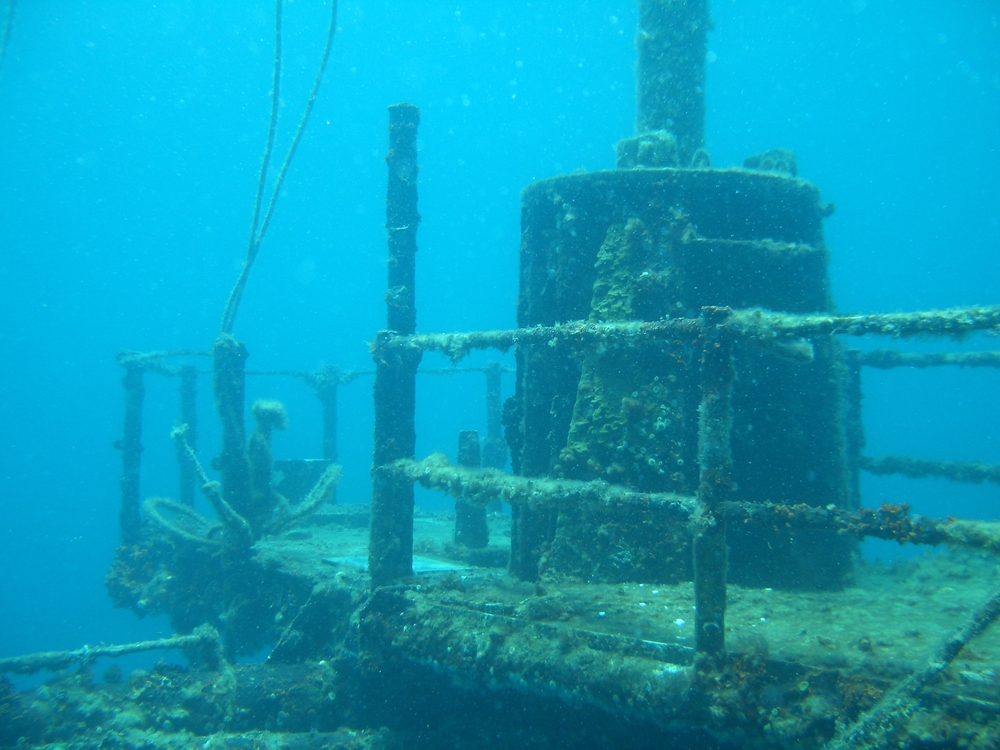
Australia's wreck diving runs from one-of-the-world's-best to historically distinctive, across every state and from accessible shallow shore dives to technical deep-water sites. The country's wartime...
Whale Sharks in Australia: Where, When, and How to Swim with Them
By ScubaDownUnder Team
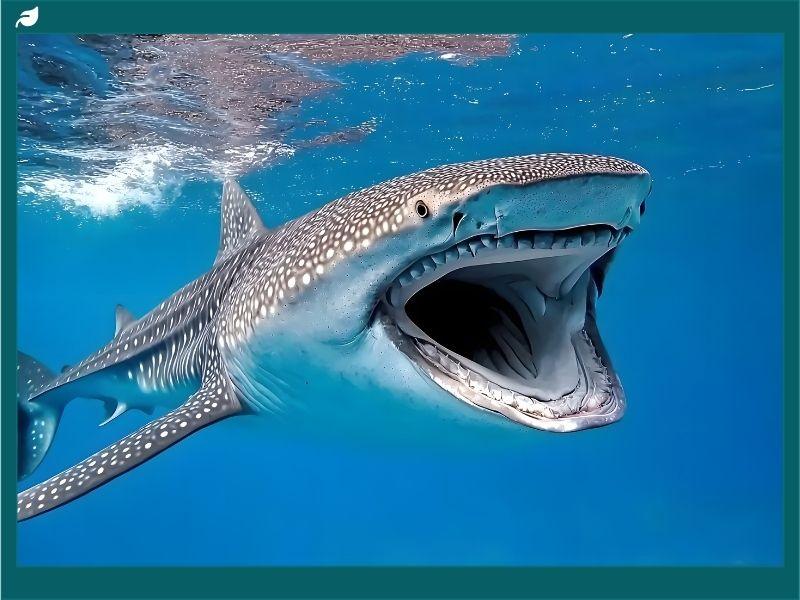
The whale shark (*Rhincodon typus*) is the largest fish in the ocean, with documented individuals reaching 18 metres in length, and Australia is one of the three most reliable destinations on the...
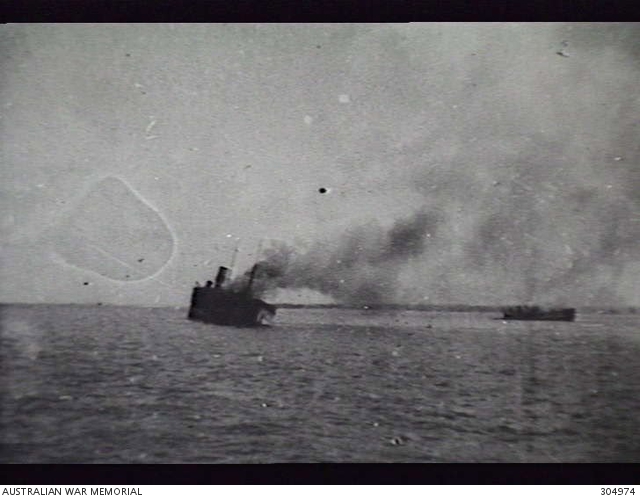
British Motorist
By ScubaDownUnder Team
The British Motorist was a British Empire tanker, hit during the first wave of the Darwin raid and burning when she sank into the inner harbour. The fire and the subsequent decades of tidal action...
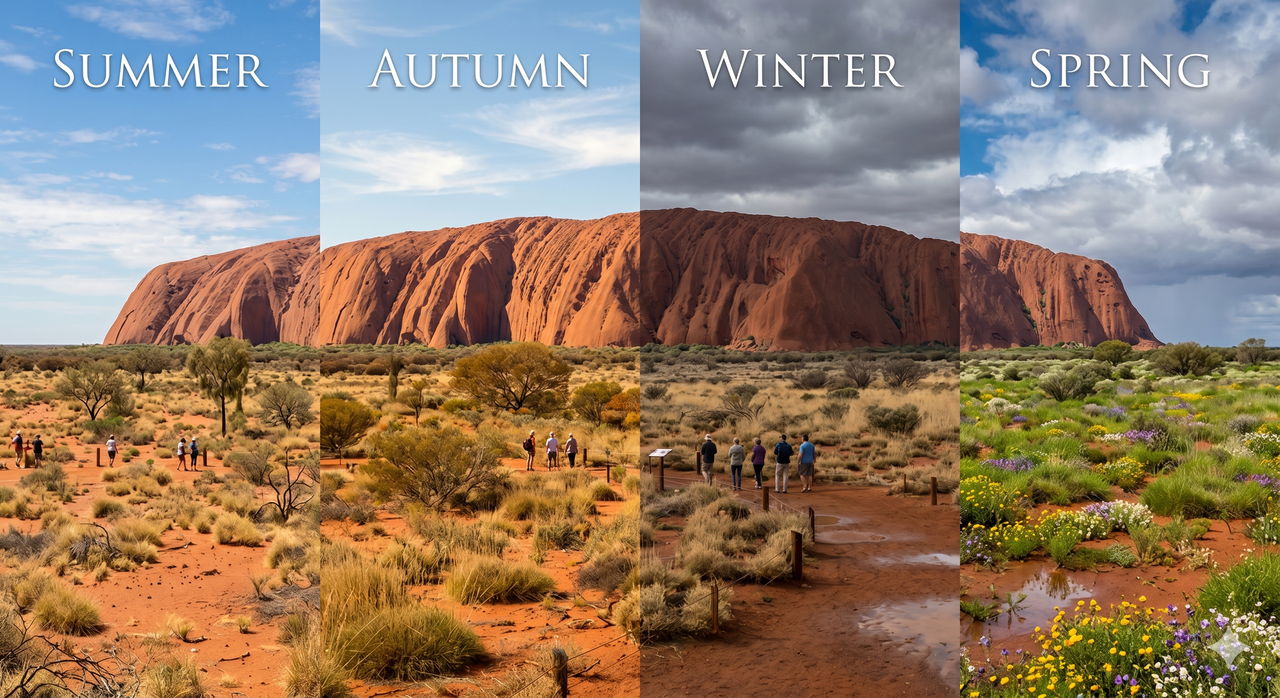
Best Time to Dive in Australia: Season Guide
By ScubaDownUnder Team
When to dive every Australian region: dry season up north, summer down south, whale shark and grey nurse seasons, month by month.

Best Places to Dive in Western Australia
By ScubaDownUnder Team
Western Australia covers nearly a third of the country and produces the most varied diving conditions of any Australian state. The north end of the coast belongs to Ningaloo, where the southern...

Black Rocks, Smoky Cape, South West Rocks
By ScubaDownUnder Team
Black Rocks, two rocks off South Smoky Beach below Smoky Cape, shelter a plate coral garden in 6 to 20 metres with resident turtles and egg cowries.
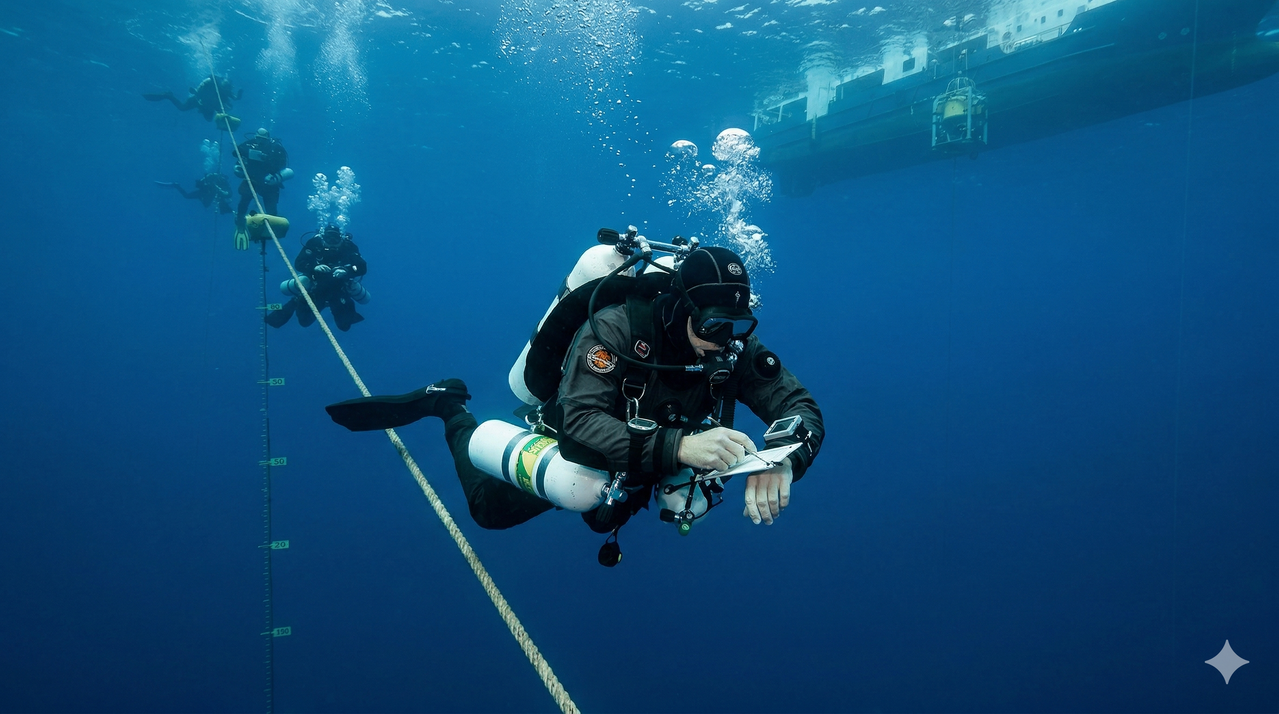
Decompression Sickness: Symptoms, Causes, and What to Do
By ScubaDownUnder Team
Decompression sickness, commonly called the bends, is the diving-specific medical condition every recreational diver should understand and very few experience. It happens when nitrogen absorbed into...