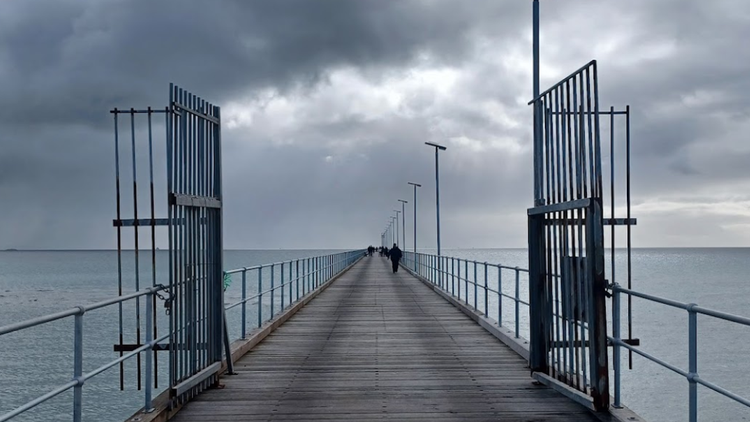
Rye Pier
Mornington Peninsula, VIC
Rye Pier, Mornington Peninsula
By ScubaDownUnder Team · 2026-09-24
If you want to photograph a seahorse on your first dive, go to Rye. The pier here, reaching out into the shallow north end of Port Phillip Bay, is one of the easiest places on earth to find them, with two species in permanent residence among the pylons and the weed. In the cooler months it becomes something stranger still, as tens of thousands of giant spider crabs pile beneath the pier to moult. Add the octopus, the squid and the rays, all in water rarely more than a few metres deep, and Rye Pier is a macro diver's playground a short walk from the car.
Rye sits on the Mornington Peninsula, the thin arm of land that separates Port Phillip Bay from the Bass Strait surf beaches, about ninety minutes from Melbourne. The pier faces north into the sheltered bay, and a purpose-built lower platform gives divers an easy entry straight into the marine life. It is one of a string of Port Phillip piers that have made this coast a macro pilgrimage, and Rye is among the most beloved of them, as much for its seahorses as for the annual spider crab spectacle.
This is about as shallow and easy as diving gets. The water reaches around three metres at the head of the pier and shelves to half a metre halfway along, with most of the diving in just two to six metres. The pylons march out in rows, furred with weed and growth, and the sandy bottom between them is the hunting ground for the macro life. Divers work slowly along the pylons and out across the sand, and because the water is so shallow and the bay so sheltered, a single tank can last well over an hour. The dedicated entry platform makes getting in and out simple, and the site is as suited to a first open-water dive as to a dedicated macro session.
Rye is famous for its seahorses, with both bigbelly and shorthead seahorses resident among the pylons and weed, and few places anywhere make them so easy to find. Around them is a macro cast of octopus, southern calamari squid, nudibranchs and pipefish, while stingrays glide over the sand and a wide range of bay fish school around the structure. The site's great set piece, though, is seasonal: each year in the cooler months, giant spider crabs gather beneath the Mornington Peninsula piers in their tens of thousands to moult, mounding up in a slow-moving carpet of legs and shells that is one of the strangest wildlife events in Australian waters. Rye is one of the prime spots to witness it.
Rye Pier is sheltered and forgiving, which is why it suits divers of every level. Visibility is variable and best on a high, calm tide, often in the three to twelve metre range and dropping when the wind churns the shallow bay. Water temperature swings from the high teens or around twenty in summer down to single digits in winter, so a thick wetsuit or drysuit is the norm, with the spider crab season falling in the coldest months. There is little current, and the shallow depth keeps the diving benign, though the same shallowness means surge on a windy day and silt easily stirred. The pier is dived day and night, and the night dives are a highlight, when the octopus and squid come out to hunt.
Rye is a photographer's and a night diver's pier above all. The combination of dependable seahorses, long shallow bottom times and the dedicated entry platform makes it ideal for macro photography and for divers building confidence. The spider crab aggregation draws divers from across the state when it is on, and the night dives turn up a different cast of hunting cephalopods. With Blairgowrie and the other peninsula piers close by, a day on the Mornington Peninsula can easily string together several macro dives, each with its own character.
Rye Pier is proof that the best diving is not always the deepest or the most distant. A shallow bay pier, a torch and a slow eye are enough to find seahorses, octopus and, in season, a tide of spider crabs, all a short walk from the foreshore. It is the kind of dive that turns beginners into macro obsessives, and one of the friendliest underwater experiences in the country.
## Site Access and Logistics
Rye Pier is a shore dive on the Mornington Peninsula, about ninety minutes from Melbourne, with parking on the foreshore beside the pier. A dedicated lower platform partway along the pier gives divers an easy entry and exit, and no boat is needed. Mornington Peninsula dive shops provide air, gear and guided dives.
The shallow, sheltered water makes Rye one of the best beginner, training and snorkelling sites in Victoria, and a premier macro and night dive. Dive it on a high, calm tide for the best visibility, carry a torch for the seahorses and the night life, and use the entry platform. A surface marker or dive flag is sensible given boat traffic near the pier, and a thick wetsuit or drysuit suits the cool water year-round. Good buoyancy matters in the shallows to avoid stirring the silt and to protect the seahorses' habitat.
Air, gear and guided dives are available from peninsula dive shops including [The Scuba Doctor](https://www.scubadoctor.com.au/divesite.htm?site=Rye-Pier).
## Sources
- The Scuba Doctor, Rye Pier dive site: [https://www.scubadoctor.com.au/divesite.htm?site=Rye-Pier](https://www.scubadoctor.com.au/divesite.htm?site=Rye-Pier) - DiveDB, Rye Pier dive site: [https://divedb.net/sites/rye-pier](https://divedb.net/sites/rye-pier) - Weekend Notes, diving at Rye Pier: [https://www.weekendnotes.com/diving-at-rye-pier/](https://www.weekendnotes.com/diving-at-rye-pier/) - Visit Mornington Peninsula, Rye Pier: [https://www.visitmorningtonpeninsula.org/Places-To-See/Beaches-Coastline/View/5b42f1e6af2d017d4be728e4/Rye-Pier](https://www.visitmorningtonpeninsula.org/Places-To-See/Beaches-Coastline/View/5b42f1e6af2d017d4be728e4/Rye-Pier) - Australia's Guide, Rye Pier: [https://australiasguide.com/vic/attraction-tour/mornington-peninsula/rye/rye-pier/](https://australiasguide.com/vic/attraction-tour/mornington-peninsula/rye/rye-pier/)
Visibility at Rye Pier
Visibility at Rye Pier typically ranges from 3 to 10 metres, though it shifts with swell, wind and recent rainfall. Year-round; calmest in summer generally offers the best conditions for diving here.
Right now: approximately 5 m, 98% confidence (updated 23:35 AEDT).
Air, gear and guides near Rye Pier
Browse dive shops in Melbourne for fills, hire gear, servicing and guided dives at this site.