Port Giles Jetty
Yorke Peninsula, SA
Port Giles Jetty: Closed to Divers
By ScubaDownUnder Team · 2026-01-09
Port Giles used to appear on lists of Yorke Peninsula jetty dives. It no longer should. The Scuba Divers Federation of South Australia reports that the jetty's owners have banned diving, fishing and snorkelling from the jetty itself, whether or not a ship is alongside. We have withdrawn our dive guide for the site, and this page explains why and where to go instead.
## What Port Giles is
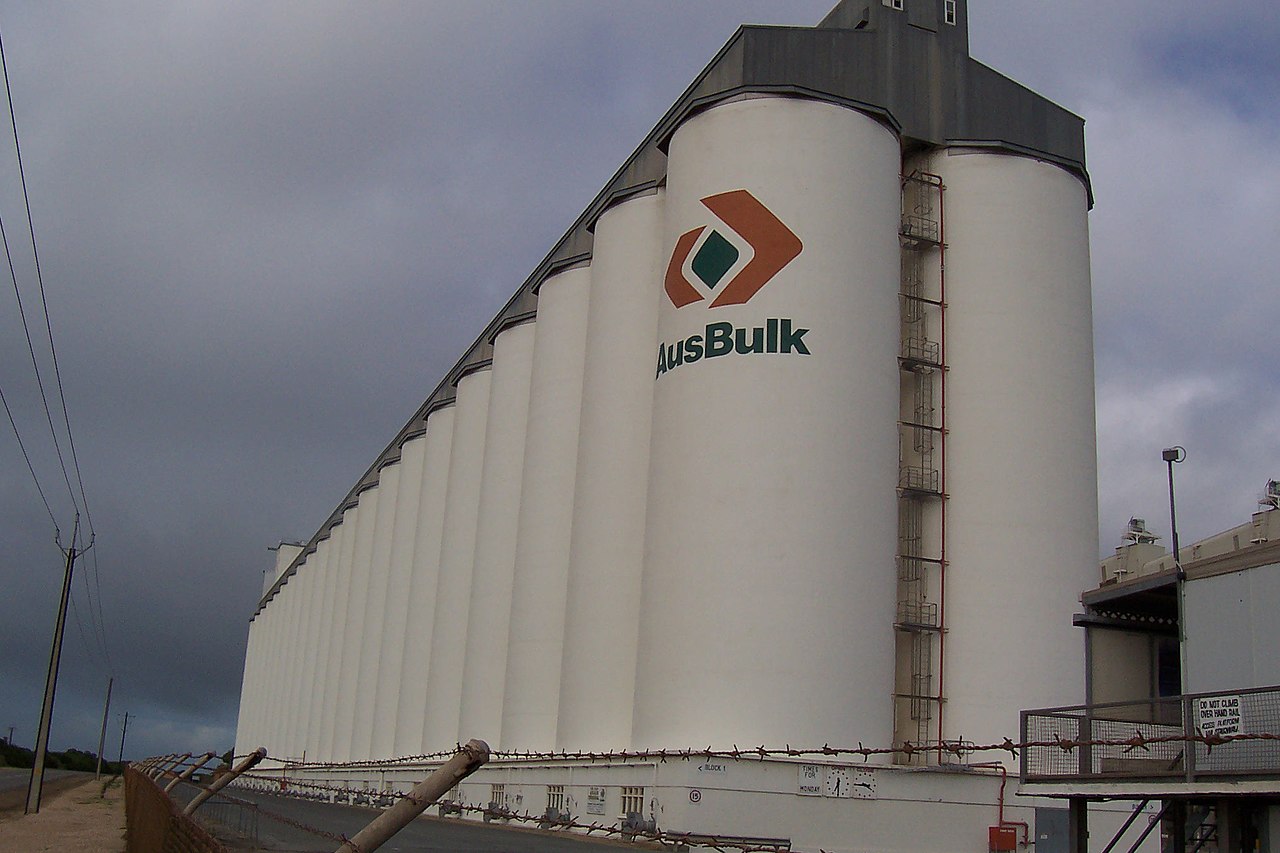
Port Giles sits on the eastern side of Yorke Peninsula, between the towns of Stansbury and Edithburgh. It is a bulk grain port: a large jetty built to load grain onto big ships, operated by Flinders Ports, with a large grain storage facility beside it operated by Viterra. The port was opened by South Australian Premier Steele Hall in 1970, and its arrival led to the closure of many of the smaller grain ports on the peninsula, which could only take bagged grain on small ketches and coastal steamers.
## The diving ban
For years the jetty was dived when no ship was in. A 2016 guide from The Dive Shack rated it a novice dive to a maximum of 16 metres and said diving was not allowed while ships were at the jetty.
That has changed. The Scuba Divers Federation of South Australia, in its where to dive guide (updated in October 2026), says it has received word that the owners have banned diving, fishing and snorkelling from the jetty itself, regardless of whether a ship is present. Treat the jetty as closed to divers. If you believe the rule has been lifted, confirm it with Flinders Ports, which operates the jetty, before you go anywhere near the water.
## What divers used to see
The federation's notes describe what made the site worth diving before the ban. Divers entered from the steps at the start of the jetty, or came by boat from the Edithburgh boat ramp. The pylons were covered in sponges and soft corals, there was a large eel bed, and the water reached about 14 metres at the tank at the end of the jetty. The Dive Shack added that the jetty is so long that reaching the end and swimming back to the steps on one dive is close to impossible.
## Where to dive instead
The same coast has jetties that are still dived:
- **Edithburgh Jetty**, just south of Port Giles, which the federation calls one of the best jetty dives in the state and a popular night dive, with nudibranchs and seahorses under the jetty, sponge-covered pylons, cuttlefish, squid, octopus and dumpling squid. See our [Edithburgh Jetty guide](https://scubadownunder.com/blog/edithburgh-jetty). - **Wool Bay Jetty**, a very shallow dive to around 4 metres that the federation describes as home to many leafy seadragons. See our [Wool Bay Jetty guide](https://scubadownunder.com/blog/wool-bay-jetty).
## Sources
- [Scuba Divers Federation of South Australia: Where to Dive](https://sdfsa.net/where-to-dive/) - [The Dive Shack: Local Dive Sites, Yorke Peninsula](https://thediveshack.com.au/dive-sites/local-dive-sites-yorke-peninsula/) - [Wikipedia: Port Giles, South Australia](https://en.wikipedia.org/wiki/Port_Giles,_South_Australia)
Header photo: Grain silos at Port Giles on Yorke Peninsula, by Scott Davis, [CC BY-SA 3.0, via Wikimedia Commons](https://commons.wikimedia.org/wiki/File:Port_Giles_silos.jpg).
Visibility at Port Giles Jetty
Underwater visibility at Port Giles Jetty shifts with swell, wind and recent rainfall rather than holding to a fixed range. Calm, settled days after a dry spell usually bring the clearest water.